How to care for young plants during the summer
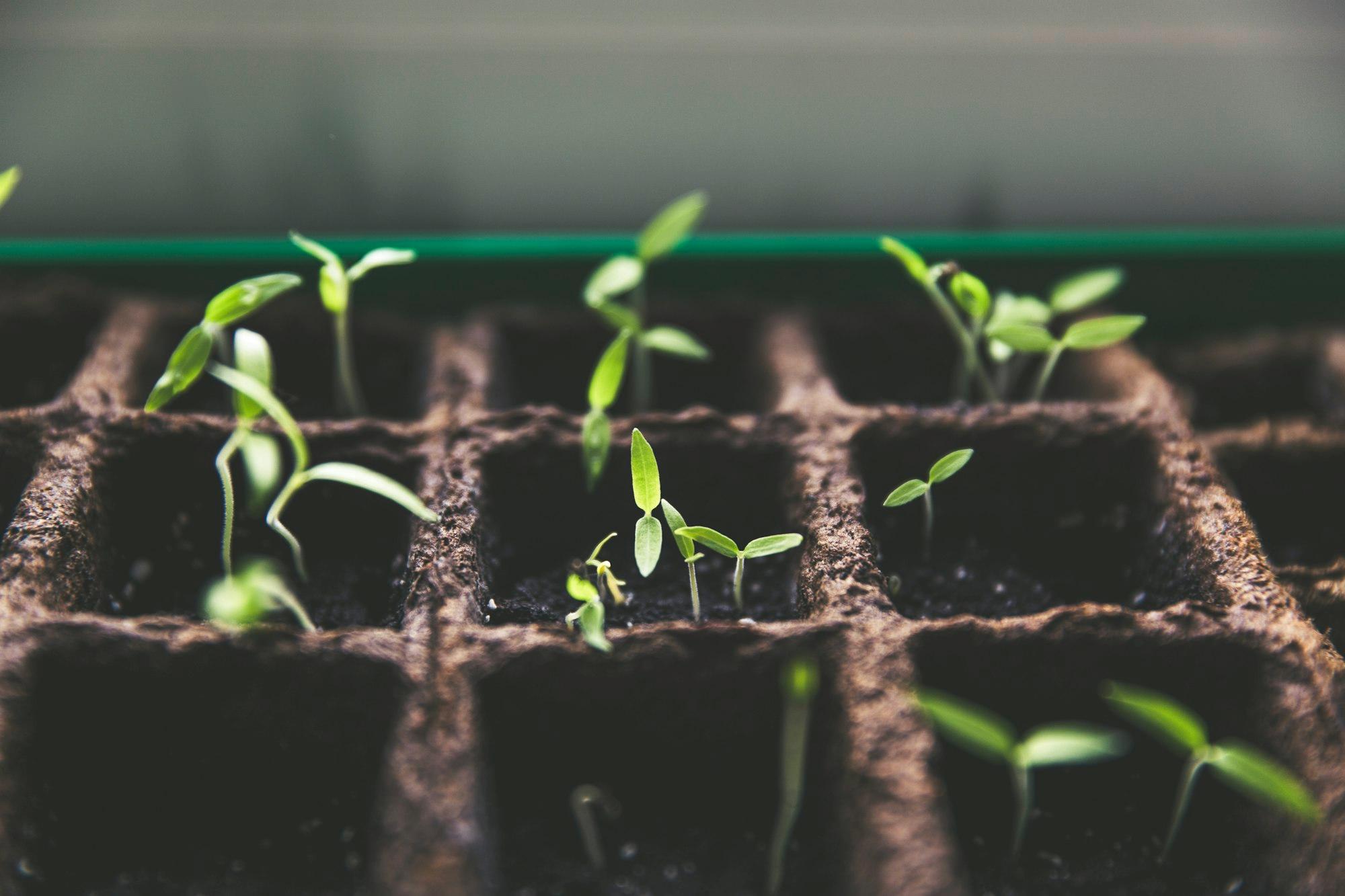
Heat and drought are the toughest test for young plants. Learn how to water, shade and protect seedlings so they come through summer healthy.
Contents
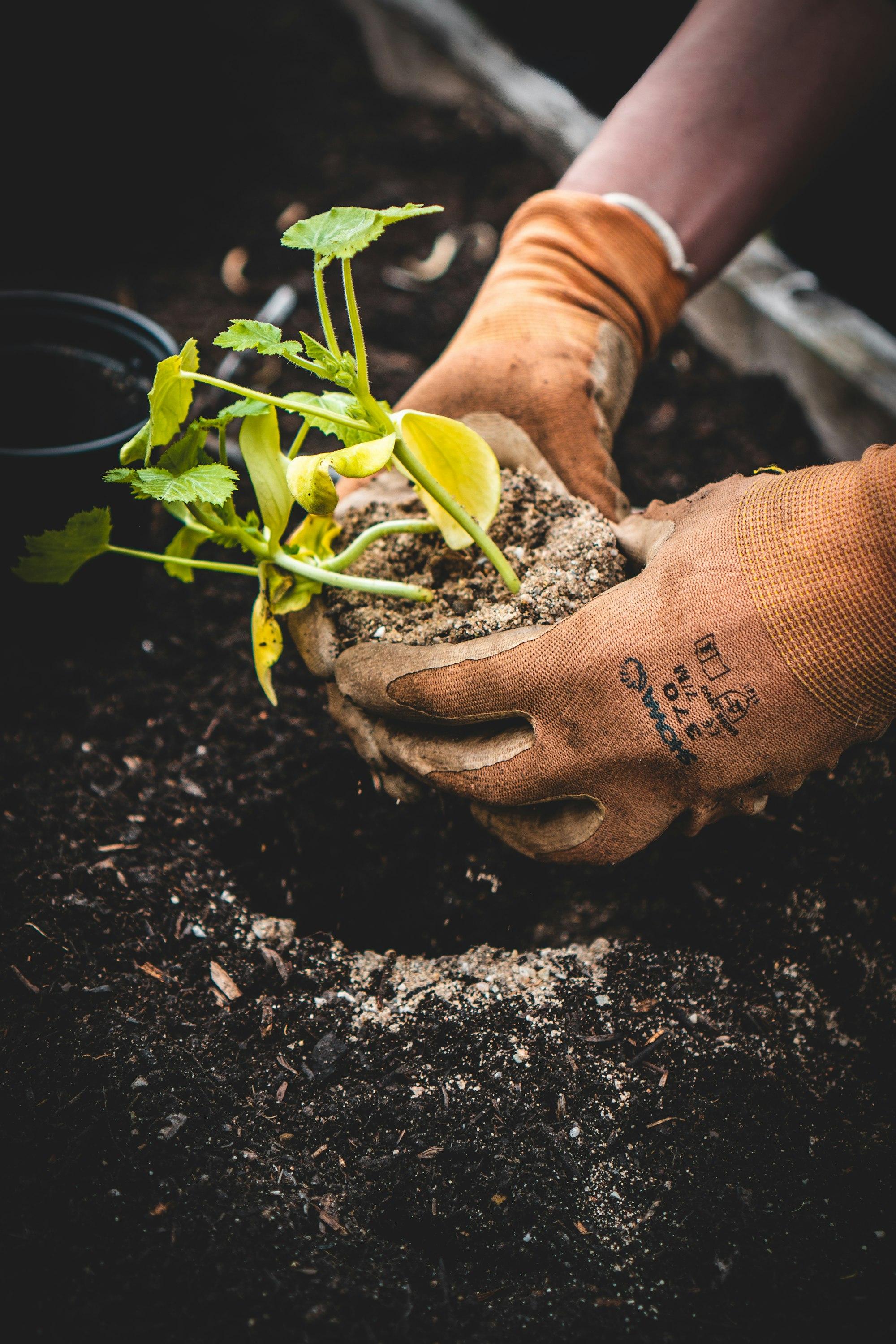
Summer is when young plants grow fastest, but it is also when they are most at risk. Their roots are still shallow, so they cannot reach the moisture deeper in the soil. A few simple habits will help them through the hottest months without stress.
Water at the right time
The best time to water is early in the morning. The water has time to soak in before the heat builds, and the leaves dry quickly, which lowers the risk of disease.
If mornings are not possible, water in the evening, aiming at the base of the plant rather than the leaves.
Avoid watering at midday: much of the water evaporates before it reaches the roots.
Deeply rather than often
A light sprinkle every day teaches roots to stay near the surface, where the soil dries fastest. Generous, less frequent watering encourages roots to grow deeper instead.
- For plants in the ground: water until the soil is moist several centimetres down.
- Use your finger: if the soil is dry 3–5 cm below the surface, it is time to water.
Container plants need extra attention
Pots dry out much faster than open ground, especially small pots and dark pots that heat up in the sun.
- On hot days, check every day — sometimes twice.
- Group pots together: they create a cooler microclimate.
- If a pot has dried out completely, stand it in a bucket of water for a few minutes so the compost can re-absorb moisture.
Use mulch
A 5–7 cm layer of mulch — straw, shredded bark, dry leaves or compost — around the base of each plant:
- keeps the soil cooler;
- reduces evaporation;
- suppresses weeds that compete for water.
Leave a small gap between the mulch and the stem so the base of the plant can breathe.
Shade on extreme days
During heatwaves, even sun-loving plants can scorch. For very young or newly planted seedlings:
- use shade cloth (typically 30–50% shade) during the hottest hours;
- or move pots temporarily to a spot with partial afternoon shade.
Signs a plant needs help
- Leaves drooping in the morning — a sign of thirst. (Some drooping at midday can be normal.)
- Brown, crispy leaf tips — often caused by heat or irregular watering.
- Yellowing lower leaves — can point to too much water, not too little.
In summary
Water early, deeply and regularly; protect the soil with mulch; provide shade on extreme days; and postpone feeding until it cools down. With these habits, your young plants will come through summer stronger for the year ahead. For advice on specific plants, send us a message or browse our nursery.